2024 · Times of India · Brand Strategy & Innovations Manager
Adani Solar
Making solar energy feel relevant to regional India
Chapter 01
A recognised name in an unfamiliar category
Adani is one of India’s most widely recognised business names. But that recognition did not automatically translate to every business unit, product or geography in which the group operated.
For Adani Solar, the challenge was particularly pronounced across Tier 2 and Tier 3 markets.
Solar energy can feel technical, unfamiliar and removed from everyday life. Audiences may recognise its larger environmental or economic importance without necessarily understanding what adopting solar power could mean for their homes, businesses and ambitions.
The campaign needed to build familiarity with Adani Solar while making the category itself easier to understand.
That meant moving beyond corporate-scale conversations about energy generation and presenting solar power through stories regional audiences could see themselves in.
Chapter 02
The problem behind awareness
The task initially appeared to be one of reach: introduce Adani Solar to more people across priority markets.
But awareness without understanding would have limited value.
Simply placing the brand in front of a regional audience would not answer the questions that made the category feel distant:
What does solar energy make possible?
Why should it matter to someone now?
Where could it fit into their life or livelihood?
Why should they trust Adani Solar to provide it?
The communication therefore had two jobs.
It had to strengthen the visibility of the Adani Solar business while reducing the perceived complexity surrounding solar energy.
The strategic challenge became:
How do we translate a large, technical energy story into something immediate, relatable and easy to consume?
Chapter 03
From explaining technology to showing possibility
The answer was not to simplify the audience. It was to simplify the way the story was being told.
Instead of leading with technical language, the campaign focused on what solar energy could enable. Narratives were constructed around benefits and situations that regional audiences could recognise and relate to.
This changed the role of the content.
It was no longer just explaining how solar technology worked. It was helping people imagine where solar power could fit into their own context.
The stories needed to feel accessible without making the subject superficial, informative without becoming instructional, and locally relevant without reducing regional audiences to stereotypes.
Published on Navbharat Times and Maharashtra Times
Chapter 04
Choosing a format built for retention
The strategy was brought to life through TOI Short Takes, one of Times of India’s established short-form storytelling formats.
Short-form vertical content made the subject easier to approach. Each story could isolate one clear idea, communicate it quickly and allow audiences to engage with the category without committing to a long technical explanation.
The mobile-first format also reflected how the intended audience was likely to encounter the communication: during short periods of attention, on the move and alongside other everyday content.
Rather than expecting people to enter the world of solar energy, the campaign brought solar energy into a format that was already familiar to them.
TOI Short Takes
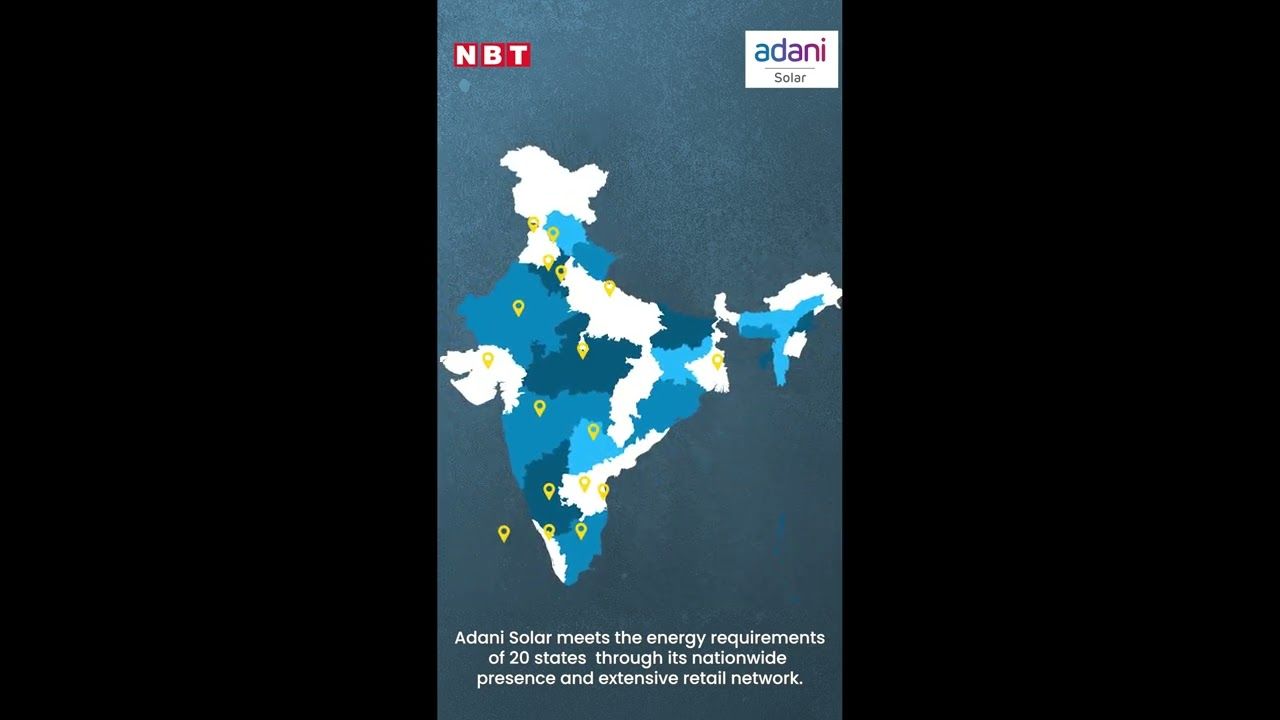 Navbharat Times · Hindi
Chapter 05
Language as a distribution strategy
Regional relevance could not be achieved through translated national communication alone.
The platform choices were therefore treated as part of the strategy.
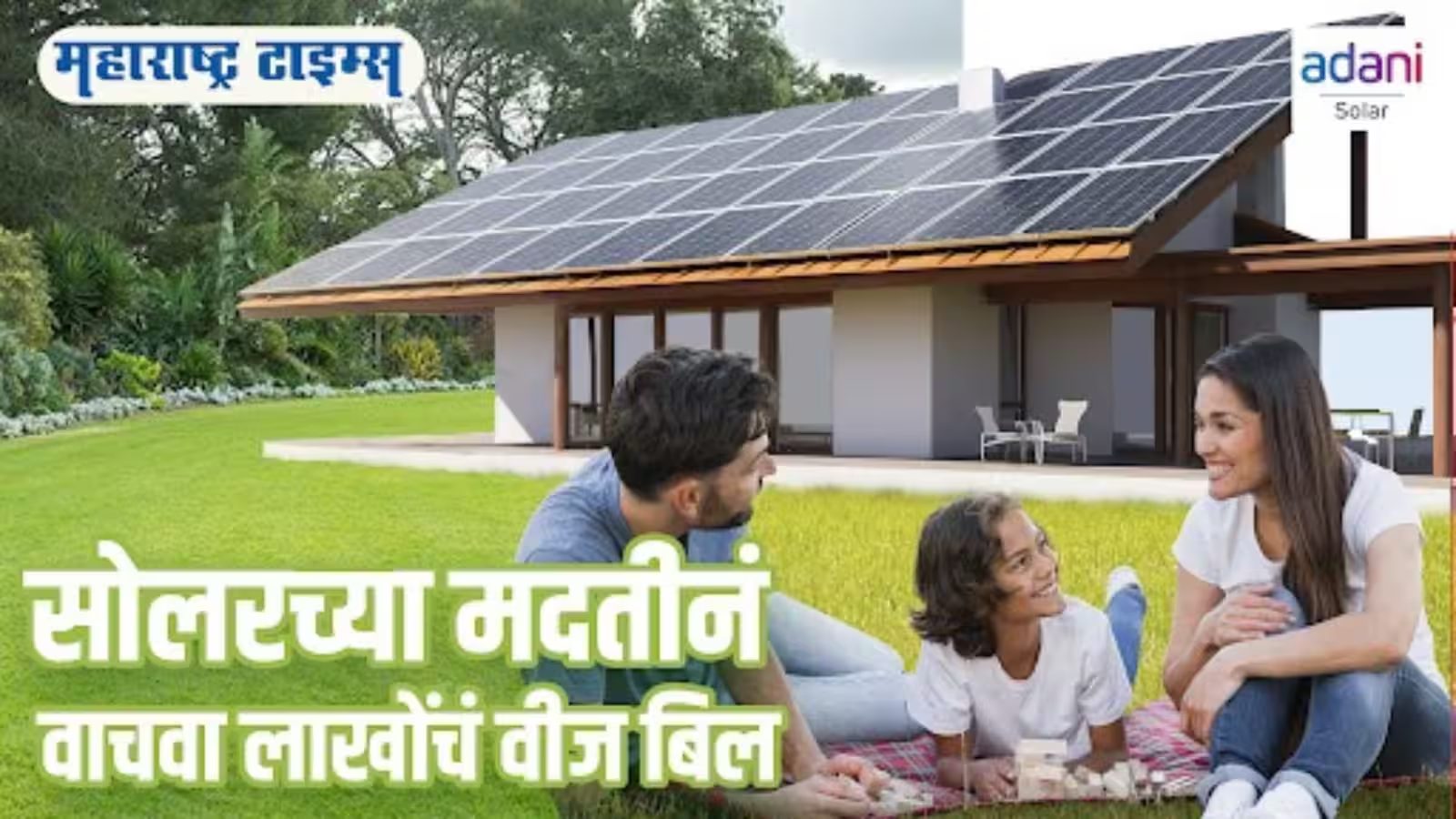
Navbharat Times allowed the campaign to speak to Hindi-language audiences, while Maharashtra Times connected the Adani Solar story with Marathi-language readers. The aim was not only to change the language of the communication, but to make its narrative feel closer to the communities it was intended to reach.
Format, language and distribution worked together:
- Short-form video reduced the effort required to engage.
- Benefit-led storytelling made the category easier to understand.
- Hindi and Marathi platforms brought the story closer to regional audiences.
- The credibility of the Times ecosystem provided a trusted environment for discovery.
The result was a content system designed to make a large energy proposition feel more immediate and personally relevant.
Instead of asking audiences to understand the entire world of solar power, the campaign gave them a simpler place to begin:
What could solar energy make possible for me?