2021 · SoCheers · Copy Manager
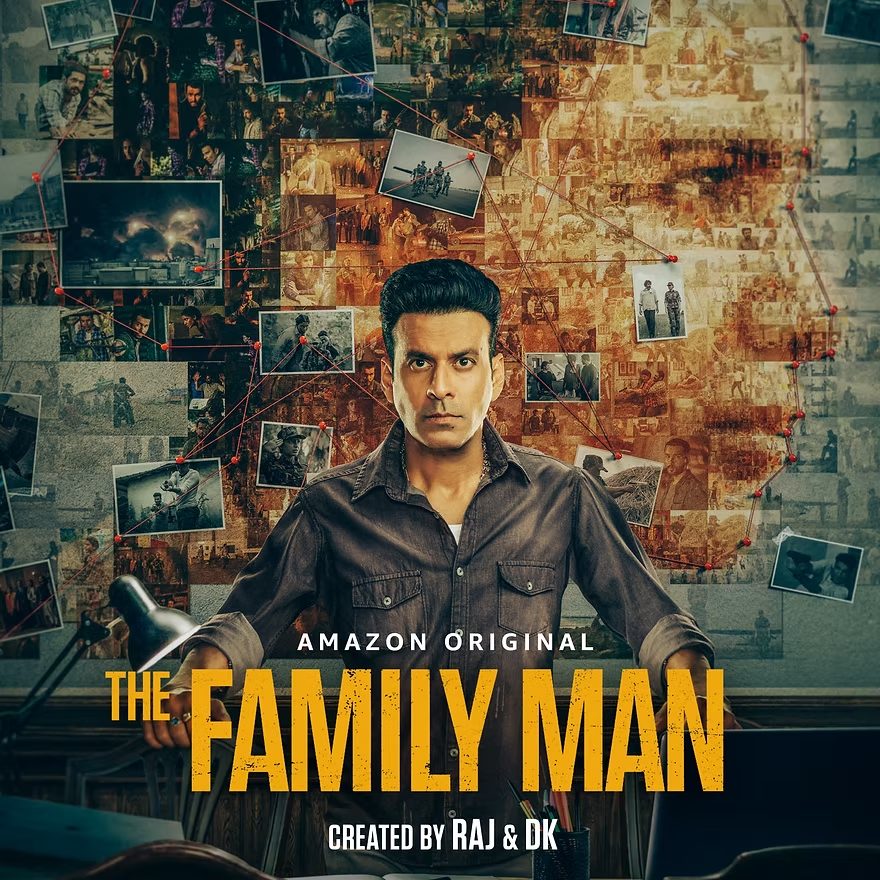
The Family Man Season 2
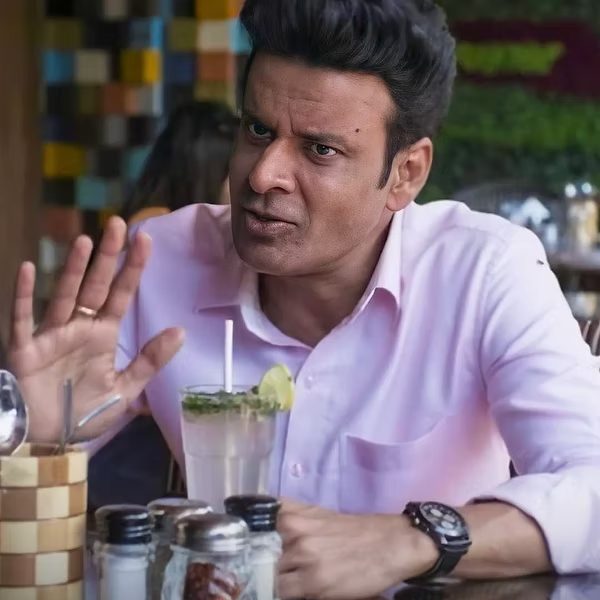
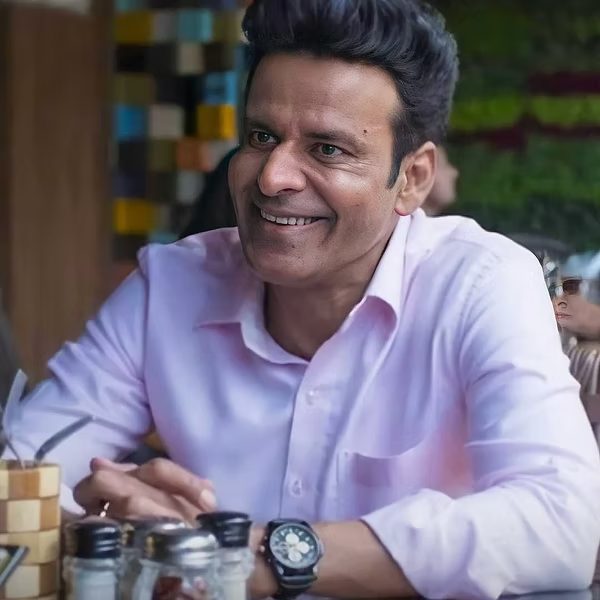
Bringing Srikant Tiwari back into public life before bringing him back on screen
Chapter 01
A much-anticipated return after a long silence
The first season of The Family Man had created a passionate audience and a memorable central character in Srikant Tiwari.
But anticipation is difficult to preserve indefinitely.
A considerable gap separated the first and second seasons. During that time, audiences encountered new shows, new characters and a constant stream of entertainment content competing for their attention.
Season 2 therefore needed more than a conventional launch announcement.
The campaign had to reactivate the audience’s relationship with the first season, remind people why they cared about Srikant and create fresh anticipation for what would happen next.
Chapter 02
The audience didn’t need a recap
The obvious solution would have been to revisit the major events of Season 1.
But simply summarising the previous season would treat the audience as viewers trying to remember a plot. The stronger opportunity was to treat them as fans who already understood the world and could be invited back into it.
Social sentiment around Season 1 was studied to identify what audiences had responded to and why.
One narrative thread offered a particularly promising starting point.
At the end of the first season, Srikant Tiwari had decided to leave his work with the intelligence services and pursue a normal life.
Rather than treating that development as backstory, the campaign treated it as a real and current problem:
Srikant Tiwari needed a new job.
Chapter 03
Taking a fictional problem to a real professional platform
If Srikant was genuinely searching for employment, he needed to go where professionals go when they are looking for their next opportunity.
LinkedIn became an unexpected campaign platform.
The choice worked because it placed the character inside a recognisable real-world behaviour. Instead of asking the audience to suspend disbelief for another piece of promotional content, the campaign allowed Srikant’s fictional situation to continue beyond the boundaries of the show.
His job search gave the audience a new way to reconnect with his character before Season 2 arrived.
It also allowed the campaign to behave differently from typical entertainment marketing. The launch was no longer only talking about the show; it was continuing the story.
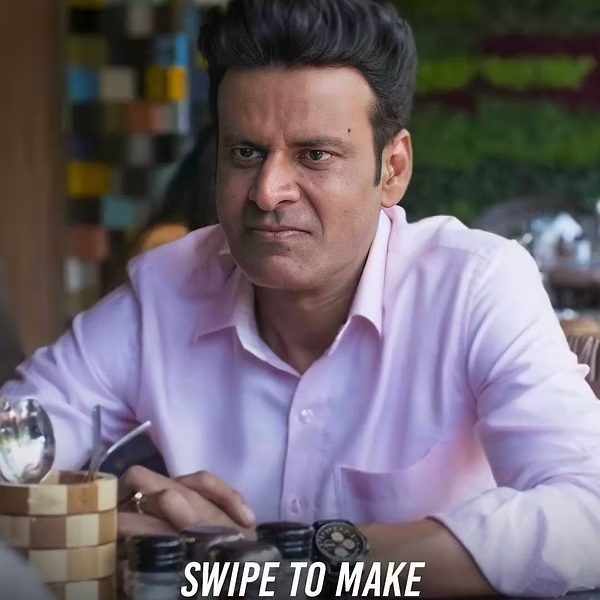
#TheFamilyMan · #TheFamilyManJobHunt · #MemeTheFamilyMan
Chapter 04
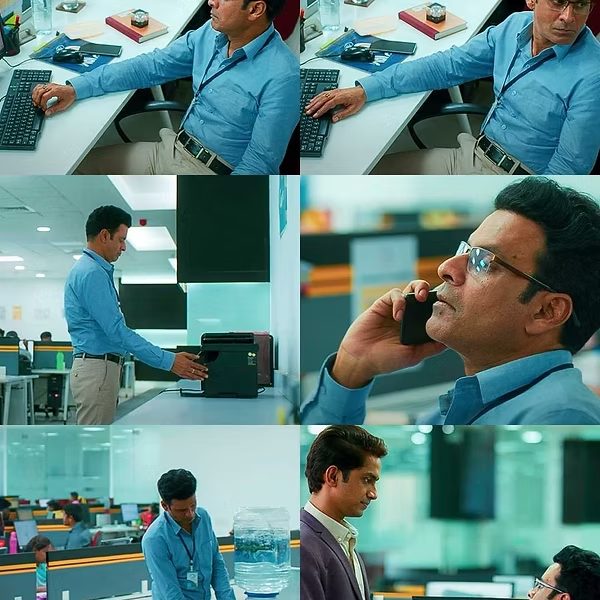
Srikant Tiwari enters the job market
The job-search narrative was developed through interview videos featuring leaders from companies including OYO, Dunzo and Xiaomi.
These interactions created a collision between two worlds:
Srikant’s unusual experience as an intelligence officer and the familiar language of corporate recruitment.
The humour came from watching a character trained for extraordinary situations attempt to present himself as an ordinary job candidate.
For existing fans, the content rewarded familiarity with Srikant’s personality and history. For audiences returning after the gap, it offered an entertaining reintroduction without relying on a conventional recap.
Every interview extended the premise while bringing another recognisable organisation and personality into the campaign.
The result was a pre-launch narrative that could travel independently while continually pointing audiences back towards Srikant’s return.
Campaign films
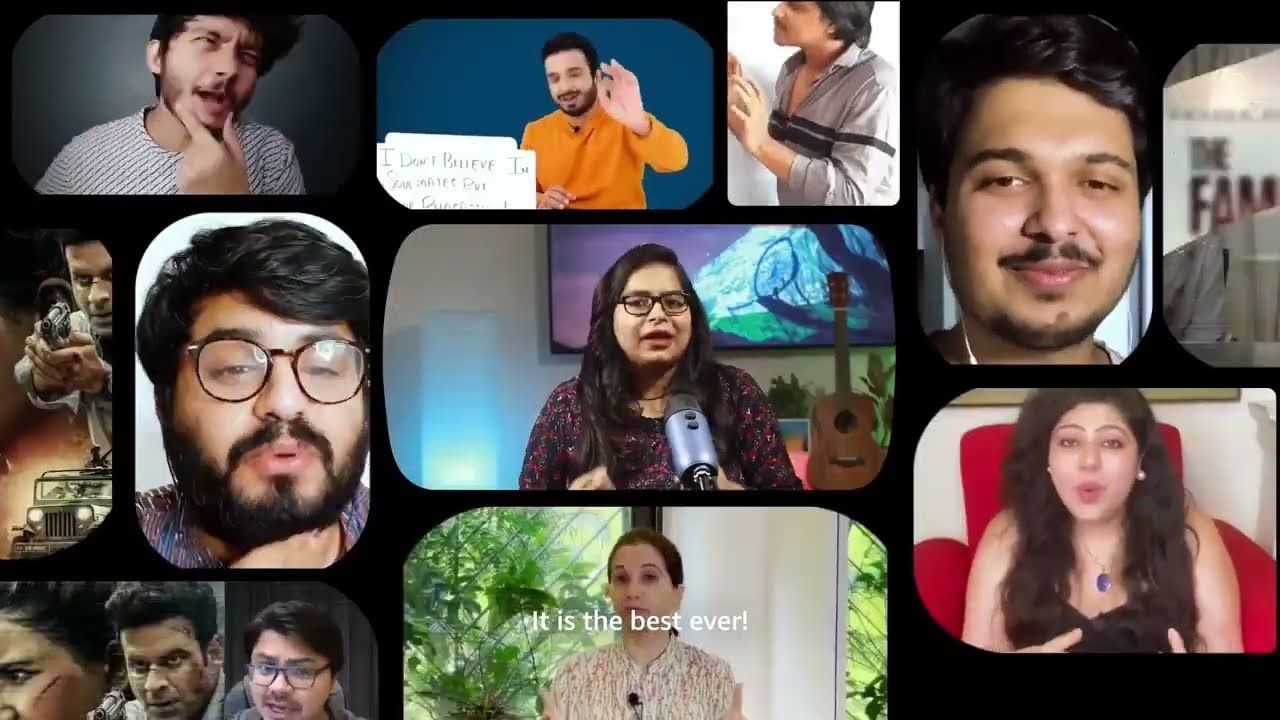 #TheFamilyManJobHunt
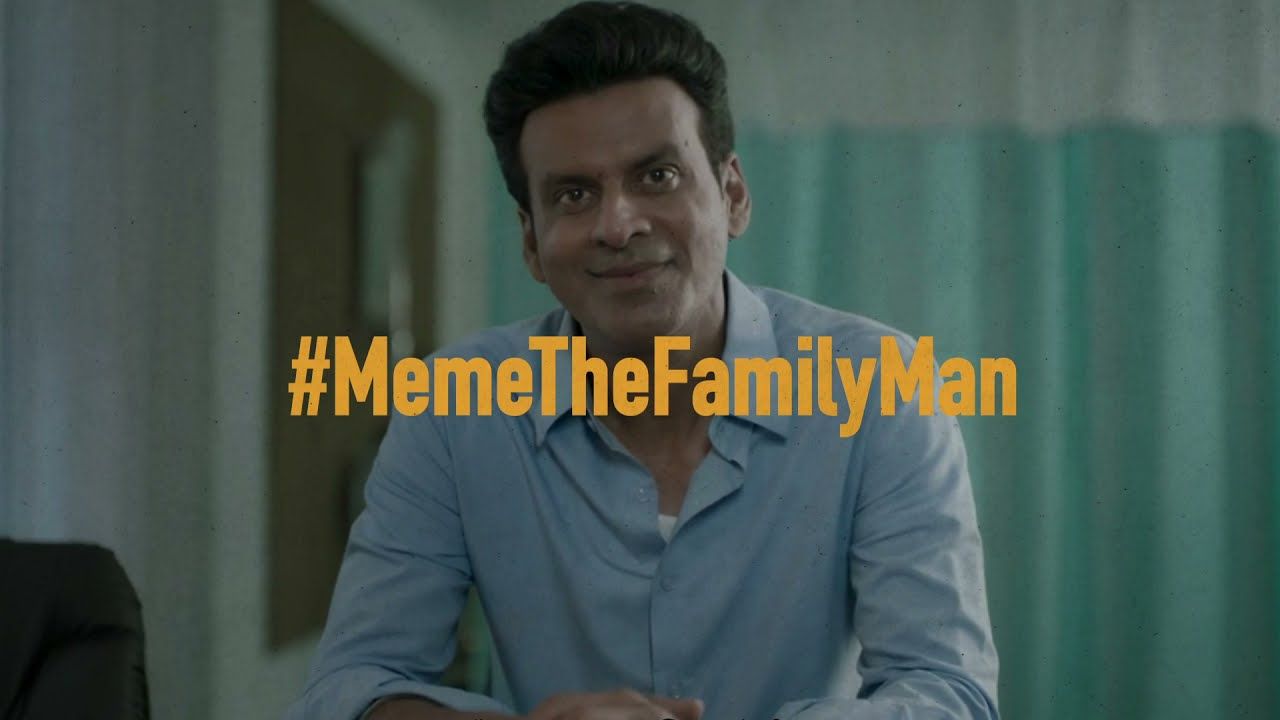 #MemeTheFamilyMan
Chapter 05
The campaign changed when the season arrived
Once Season 2 launched, the communication challenge changed.
The job hunt had helped create anticipation before release. After release, audiences were actively watching, discussing and interpreting the new season.
Social listening revealed a spike in memes inspired by the show.
Rather than continuing to push the pre-launch narrative after its purpose had been served, the campaign responded to what fans were already doing.
This became the foundation of a second content property:
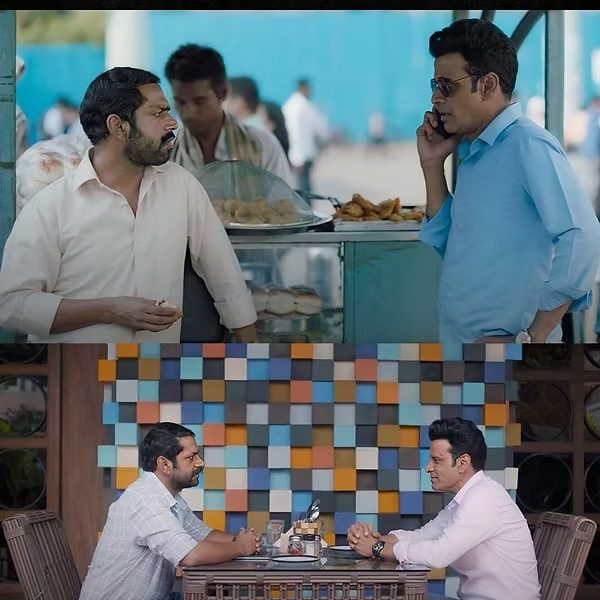
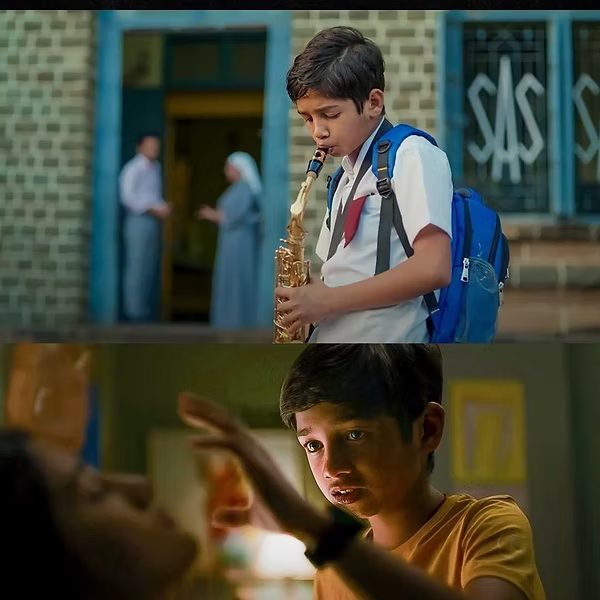
Meme The Family Man.
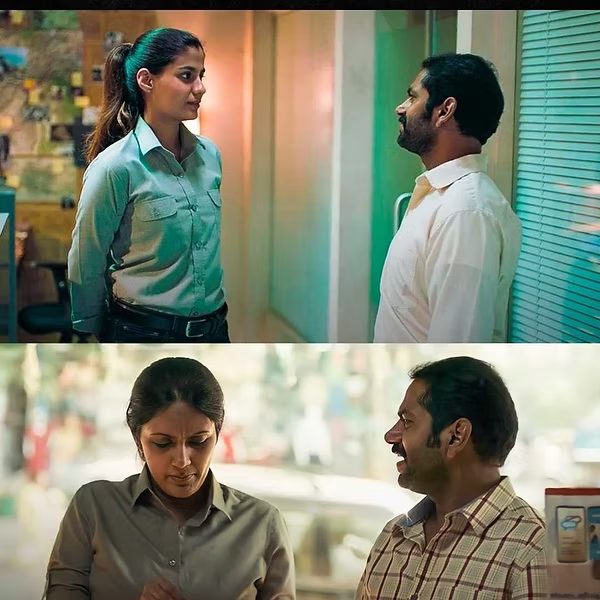
Bringing out similarities from Season 1 and Season 2 to create post-launch content
Chapter 06
Making the audience part of the content engine
The property invited user-generated content around the series, creating a space where fans could convert their favourite characters, dialogues and situations into their own creative responses.
This allowed the campaign to move from brand-led anticipation to audience-led participation.
The two phases performed different but connected roles:
- Before launch
- Srikant’s LinkedIn job search reopened the world of The Family Man and renewed the audience’s relationship with its central character.
- After launch
- Meme The Family Man responded to live audience behaviour and gave fandom a format through which it could continue creating.
The campaign did not depend on one idea being stretched across every stage of the release.
It observed what the audience needed at each moment and changed its behaviour accordingly.
Before the season, Srikant needed a job.
After the season arrived, the audience took over.
Scope - Social content across platforms · Influencer activation · YouTube video strategy · Talent social content